The Comprehensive Guide to Flat Roof Skylights: Styles and Benefits
Flat roof skylights offer a unique blend of style and functionality in modern architecture. They exist in multiple designs, catering to different aesthetic preferences and practical requirements. Beyond enhancing the visual appeal of a residence, these skylights substantially impact natural light, ventilation, and energy efficiency. Understanding their characteristics and advantages is vital for homeowners contemplating this addition. What factors should one consider when selecting the ideal skylight for their space?
Comprehending Flat Roof Skylights
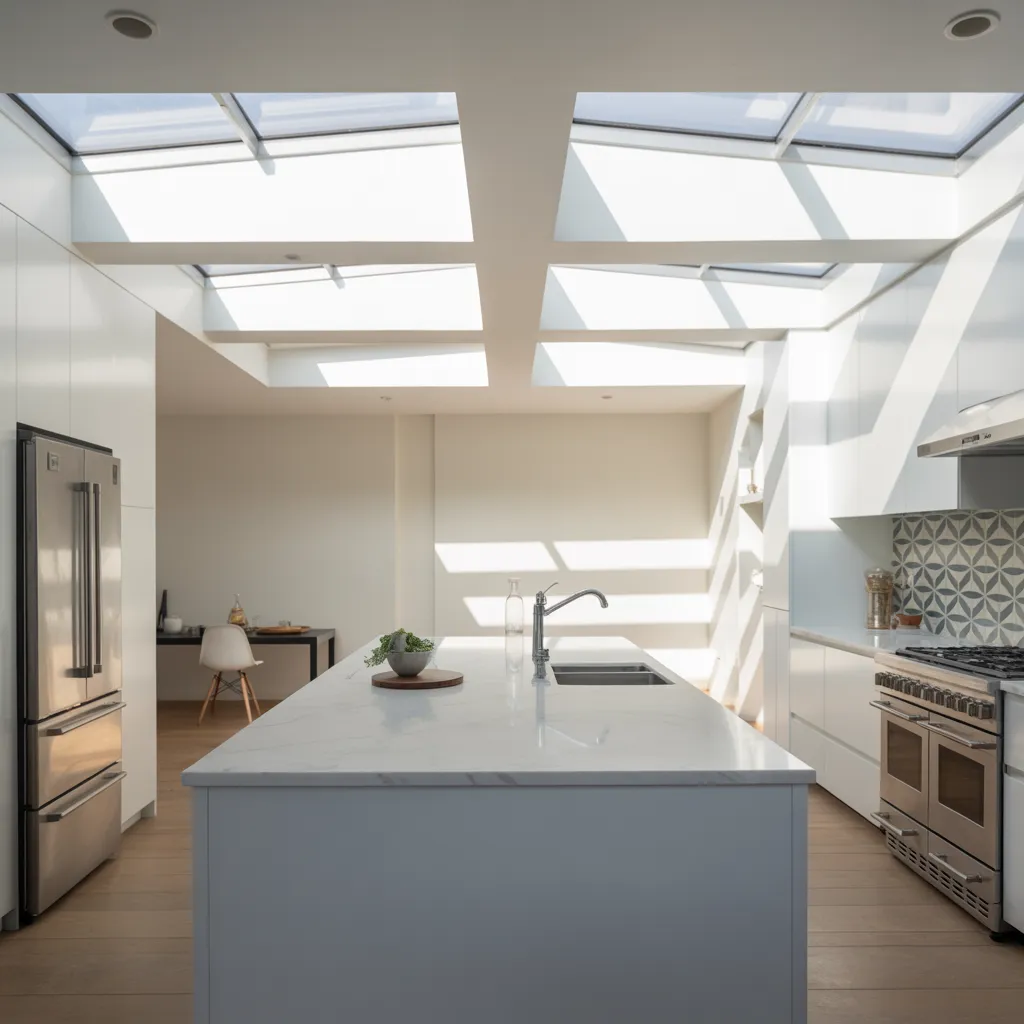
While flat roof skylights are often overlooked in architectural design, they deliver many benefits that improve both aesthetics and functionality. These skylights are engineered to fit seamlessly into flat roofs, offering natural light to spaces that might otherwise feel dark and confined. By integrating flat roof skylights, architects can establish a more inviting atmosphere, supporting health and well-being through increased daylight exposure. In addition, they can help boost energy efficiency by reducing dependence on artificial lighting during the day. Flat roof skylights also allow for ventilation, adding to better air circulation within a building. Their low-profile design decreases the risk of water pooling, making them a practical choice for modern architecture while adding an element of sophistication to any structure.
Various Styles of Flat Roof Skylights
Different styles of flat roof skylights provide distinct benefits and functionalities for homeowners. Fixed skylights provide a straightforward solution for maximizing natural light, while ventilated skylights enhance indoor air circulation and comfort. Comprehending these options is essential for making an informed selection that complements both aesthetics and practicality.
Introduction to Fixed Skylights
Fixed skylights are a common option for improving natural light in flat roof designs. These skylights are built to remain stationary, permitting sunlight to fill interior spaces without the requirement for ventilation. Provided in various styles, fixed skylights can be customized to suit different architectural aesthetics. Popular shapes include rectangular, square, and circular choices, each offering distinctive visual appeal. Moreover, they come in a selection of materials, such as glass and acrylic, which can boost durability and thermal performance. Fixed skylights are ideal for rooms that need consistent daylight, such as living spaces or hallways. They can also contribute to energy efficiency by reducing dependency on artificial lighting during daylight hours.
Ventilated Skylights Benefits
Although fixed skylights boost natural light, ventilated skylights provide the added benefit of improved air circulation in flat roof designs. These skylights are designed to open, enabling warm air to escape and fresh air to flow in, which can remarkably improve indoor comfort. By minimizing heat buildup, ventilated skylights contribute to energy efficiency, potentially decreasing cooling costs during warmer months. Moreover, they help averting moisture accumulation, reducing the risk of mold and structural damage. Available in different styles, including manual and electric options, they cater to varied preferences and needs. In summary, the integration of ventilated skylights not only improves aesthetic appeal but also fosters a healthier living environment, making them an excellent choice for flat roof constructions.
Perks of Adding Skylights
Adding skylights delivers multiple advantages to homeowners. They considerably elevate natural light, which can enrich the overall ambiance of a space. Additionally, skylights can boost energy efficiency and provide better ventilation options, contributing to a more comfortable living environment.
Greater Natural Lighting
Natural light greatly enhances the ambiance of any space, making skylights an excellent option for homeowners looking to brighten their interiors. By letting sunlight to flood in from above, flat roof skylights create a welcoming, cozy atmosphere that can transform the feel of a room. This influx of natural light can improve mood and productivity, making spaces like kitchens, living rooms, and home offices more comfortable and productive. In addition, skylights can minimize reliance on artificial lighting during daylight hours, creating a more harmonious environment. They also present a unique perspective of the sky, connecting occupants with the outside world. All in all, increased natural light through skylights not only improves a home but also elevates the overall living experience.
Boosted Energy Management
Skylights offer a considerable advantage in enhancing energy efficiency within a household. By permitting natural sunlight to enter, they decrease reliance on artificial lighting, leading to lower electricity consumption. Many modern skylights feature energy-efficient glazing that reduces heat loss in winter while reflecting excess heat in summer, resulting in a more stable indoor temperature. This thermal regulation can decrease heating and cooling costs, making homes more energy-efficient overall. Moreover, the increased daylighting from skylights can enhance the mood and productivity of residents, potentially leading to less energy used for heating appliances. Overall, integrating skylights into flat roofs not only brightens spaces but also supports a sustainable energy approach, advantaging both homeowners and the environment.
Advanced Ventilation Choices
Adding skylights to flat roofs not only improves energy efficiency but also considerably increases ventilation options within a home. By allowing warm, stale air to escape, skylights encourage natural airflow, creating a more comfortable indoor environment. This improved ventilation can help manage temperature, reducing dependency on air conditioning systems during warmer months. Additionally, many modern skylights come equipped with operable features, allowing homeowners to open them as needed for increased airflow. This not only encourages better air quality but also assists with moisture control, reducing the risk of mold and mildew. Overall, skylights serve as a functional design element, contributing greatly to the overall comfort and health of living spaces.
Boosting Natural Light in Your Home
Natural light serves a vital function in reshaping the ambiance of a home, creating spaces that feel more spacious and welcoming. Flat roof skylights act as a practical solution for improving natural light, allowing sunlight to pour into interior areas that might otherwise remain dim. Their strategic placement can illuminate living rooms, kitchens, and corridors, providing a pleasant and hospitable atmosphere. Additionally, these skylights can be designed in various styles and sizes to complement the architectural aesthetics of a home while maximizing light exposure. By incorporating flat roof skylights, homeowners can considerably reduce reliance on artificial lighting during the day, leading to energy savings and a more sustainable living environment. Ultimately, they contribute to a more luminous and uplifting home.
Improving Ventilation Through Skylights
Though many property owners prioritize the aesthetic benefits of skylights, their capacity to enhance ventilation is equally important. Skylights can function as a natural ventilation source, enabling warm, stale air to escape while inviting cooler air in. This process can aid in preserving comfortable indoor temperatures, especially during warmer months. Additionally, the installation of operable skylights can enhance airflow when opened, generating cross-ventilation throughout the space. This feature is especially advantageous in areas vulnerable to humidity, as it helps reduce moisture buildup and the risk of mold growth. Moreover, adding fresh air through skylights can enhance indoor air quality, promoting a healthier living environment. Overall, skylights provide practical advantages beyond their visual appeal, considerably elevating home ventilation.
Financial Savings Through Energy Efficiency
When property owners evaluate the installation of flat roof skylights, energy efficiency and financial savings stand out as significant factors. Skylights boost natural light, decreasing reliance on artificial lighting and therefore lowering electricity bills. In addition, modern skylights are designed with energy-efficient glazing, which decreases heat loss in winter and avoids overheating during summer months. This leads to a more stable indoor temperature, decreasing the demand on heating and cooling systems. Over time, these savings can offset the initial costs of installation. Additionally, many skylights include tax incentives or rebates, improving their financial appeal. By enhancing energy efficiency, flat roof skylights not only create a comfortable living environment but also offer substantial long-term savings for homeowners.

Setup and Maintenance Recommendations
Putting in flat roof skylights requires meticulous planning and detailed attention to provide peak performance and longevity. Initially, selecting the right location is essential; it should optimize natural light while avoiding obstructions. Appropriate sealing and flashing techniques are necessary to prevent leaks. A professional installation is often recommended to ensure compliance with local building codes and ideal integration with existing roofing materials.
Maintenance requires regular inspections as a critical component. Homeowners need to regularly clean the skylight to get rid of debris and examine for signs of deterioration, such as cracks or seals that may need replacement. Furthermore, checking for condensation accumulation can prevent possible damage. Addressing these issues promptly will extend the lifespan and functionality of flat roof skylights, increasing their value for the home.
FAQ
Is It Possible for Flat Roof Skylights to Be Installed on Any Type of Flat Roof?
Flat roof skylights can be installed on most flat roofs, as long as the roofing material is compatible and the structure can accommodate the installation. Professional guidance and proper planning ensure long-term functionality and durability of the skylight system.
How Long Does a Flat Roof Skylight Usually Last?
The expected lifespan of a flat roof skylight usually ranges from 10 to 20 years, contingent upon variables including material choices, installation quality, and climate factors, which can substantially influence lifespan and effectiveness.
Do Flat Roof Skylights Work in All Climates?
Flat roof skylights are not suitable for all climates. In areas experiencing heavy snow or temperature extremes, they may require additional consideration for structural integrity and insulation to maintain longevity and avert potential damage.
What's the Proper Way to Clean My Flat Roof Skylight?
To properly clean a flat roof skylight correctly, you should use a soft cloth jump in or squeegee with a mixture of mild soap and water, steering clear of harsh chemicals. Consistent maintenance avoids dirt buildup and preserves maximum light transmission.
Do I Require a Permit to Install a Flat Roof Skylight?
Regardless of whether a permit is required to install a flat roof skylight is dependent on local building codes and regulations. It is recommended to consult with local authorities or a professional to determine specific requirements before proceeding.